


Wigs are both fashion items and protective hair products. They come in many colors. Some people go for bold shades that stand out.
Most people do not. They choose colors that look natural and easy to wear.
Natural color wigs feel simple. They blend in. They work for daily life, work settings, and long-term use.
But “natural” does not always mean what people expect. The term gets used in different ways across brands and factories.
A natural color wig is not always dyed to look natural. In many cases, the color comes from the hair itself.
Natural Means Unprocessed
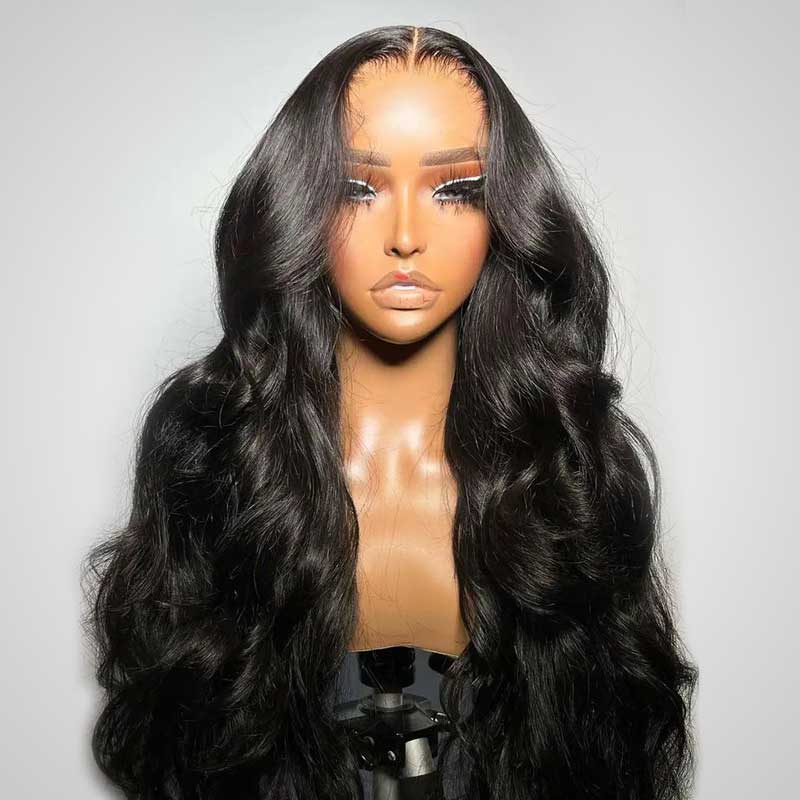
When sellers talk about a natural color wig, they usually mean unprocessed human hair. This point matters more than the shade itself.
Natural color wigs are made from real human hair that has not gone through bleaching or artificial coloring.
The color comes from the donor’s hair. It can range from soft black to dark brown, sometimes with lighter brown strands mixed in. This variation is normal. It is part of how real hair looks.
Because the hair is unprocessed, the cuticle stays intact. That affects how the wig behaves. The surface looks softer and more even.
The shine is subtle, not glossy or plastic-looking. Under light, it reflects the way natural hair does.
Texture also feels more realistic. The hair moves freely. It reacts to humidity. It can hold heat styles and then relax again after washing.
These are traits you only get from real human hair, not synthetic fibers or heavily treated hair.
Another detail people notice is durability. Unprocessed hair tends to last longer when cared for well.
The strands stay stronger because they have not been weakened by chemicals. Shedding and breakage are easier to control over time.
Features of Natural Color Wigs
Natural color wigs have a look that feels real without trying too hard. The details are subtle, but they make a clear difference once you know what to notice.
Subtle color variation
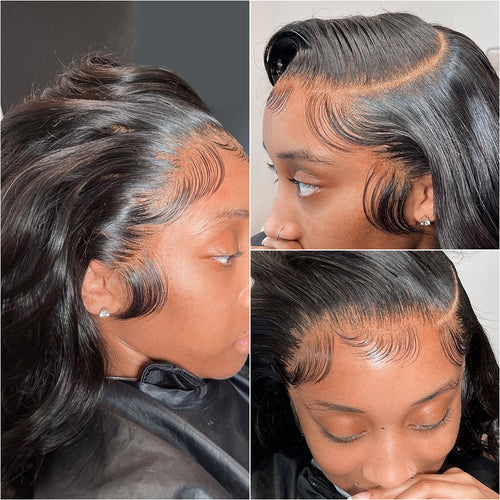
Natural hair is not one flat shade. Even in dark hair, there are small shifts in tone from strand to strand.
You may see soft browns mixed into black, or slightly lighter ends. This variation comes from the original hair, not from coloring.
It helps the wig avoid that solid, painted look.
Natural glossy look
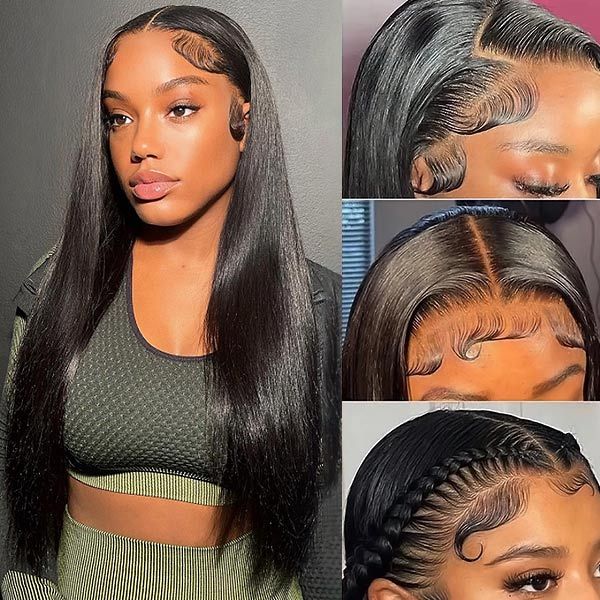
The shine on a natural color wig is gentle. It is not overly bright. It sits on the surface the way healthy human hair does.
This happens because the cuticle is still intact. Light reflects evenly, which gives the hair a clean and realistic finish.
Color changes under different lights
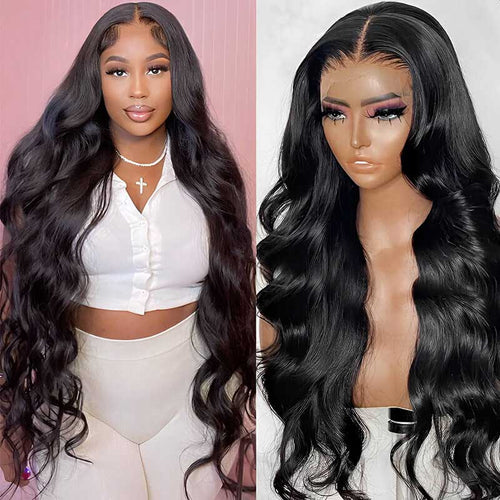
Natural hair reacts to light. Indoors, the wig may look deeper and darker. Under sunlight, warmer tones can show through.
This shift is normal. It is one of the easiest ways to tell unprocessed human hair apart from dyed or synthetic wigs.
These features work together. None of them stand out on their own, but together they create a look that feels natural and believable.
Natural Color Wigs vs. Colored Wigs

Natural color wigs and colored wigs serve different needs. The difference goes beyond appearance. It affects styling, texture, and long-term use.
Color spectrum
Natural color wigs stay close to real human hair shades. Most are natural black or dark brown.
Some show slight brown undertones, especially under sunlight. The range is limited, but it looks realistic.
Colored wigs offer more options. This includes lighter browns, blondes, reds, and fashion colors.
Ombre styles and highlighted wigs also fall into this group. The color is more controlled and more decorative.
Style versatility
Natural color wigs give more freedom for future changes. Since the hair is unprocessed, it can be dyed, bleached, or toned.
This makes it easier to adjust the color later or refresh the look over time.
Colored wigs are already processed. Further bleaching or recoloring can be risky. The hair may not lift evenly, and the texture can suffer.
Styling is still possible, but color changes need more care.
Texture difference
Natural color wigs show the original texture of the hair source. Hair from different regions behaves differently.
For example, Brazilian hair often feels dense and soft. Indian hair tends to be lighter and more fluid.
Cambodian hair usually looks thicker and straighter. These traits stay clear because the hair has not been altered by chemicals.
Colored wigs can come in many textures. Deep wave, water wave, loose wave, and other defined patterns are common.
These textures are often created or enhanced during processing. The look is consistent, but it may feel less raw and natural.
Below is a simple comparison for reference.
| Aspect | Natural Color Wigs | Colored Wigs |
|---|---|---|
| Color range | Natural black, dark brown | Wide range, including ombre and highlights |
| Hair processing | Unprocessed human hair | Dyed or bleached |
| Future coloring | Easy to dye or bleach | Limited and higher risk |
| Texture feel | Shows original hair origin traits | Texture shaped during processing |
| Overall look | Subtle and realistic | More styled and decorative |
Both types have their place. The right choice depends on how much flexibility, realism, and color variety you want from the wig.
What You Need to Know Before Buying Natural Color Wigs
Natural color wigs look simple on the surface. In practice, they come with a few things worth understanding ahead of time.
Accept the color variation
Natural color hair is not uniform. One bundle may look slightly darker than another. Some strands may appear brown under light.
This is normal. It does not mean poor quality. It means the hair has not been corrected or painted to match a single tone.
If you expect a flat, factory-perfect color, a natural color wig may feel inconsistent.
Pay attention to the quality label
Natural color human hair wigs are unprocessed, but not all unprocessed hair is the same.
Quality tiers matter. Raw hair comes from a single donor and keeps the cuticle fully aligned.
Virgin hair may come from multiple donors but has not been chemically treated. Remy hair focuses on cuticle direction, even if the sourcing is broader.
These labels affect lifespan, tangling, and price, so they deserve a closer look before buying.
Natural texture still needs care
Because the hair is not chemically treated, the texture behaves like real hair. It reacts to humidity, friction, and dryness.
Curly and wavy patterns can lose definition without proper moisture. Straight textures can look dull if neglected.
Regular washing, conditioning, and gentle handling help maintain the original texture over time.
Natural color wigs reward realistic expectations. Once those are set, the wearing experience feels easier and more predictable.


 Quality Stores