


For many wig lovers, buying a human hair wig is a natural next step.
The look feels more real. The texture moves better. And the styling options feel less limited.
But cost often becomes the biggest pause point. Some cost under $100. Others go well into the thousands.
That wide range makes it hard to know what’s normal and what actually makes sense for your needs.
A higher price does not always mean better value, and a lower price does not always mean poor quality. Context matters here.
The difference comes down to hair quality, construction, length, density, and how the wig is made.
Understanding these factors helps you decide where your money should go and where it doesn’t need to.
With the right information, it becomes much easier to spend your budget wisely and get a wig that fits your expectations, your lifestyle, and your daily wear habits.
Affecting Factors of the Cost of Human Hair Wigs
The price of a human hair wig doesn’t come from one single thing. It’s a mix of design choices, materials, and how much work goes into making the wig.
Once you break it down, the price range starts to make more sense.
Wig design matters more than people think
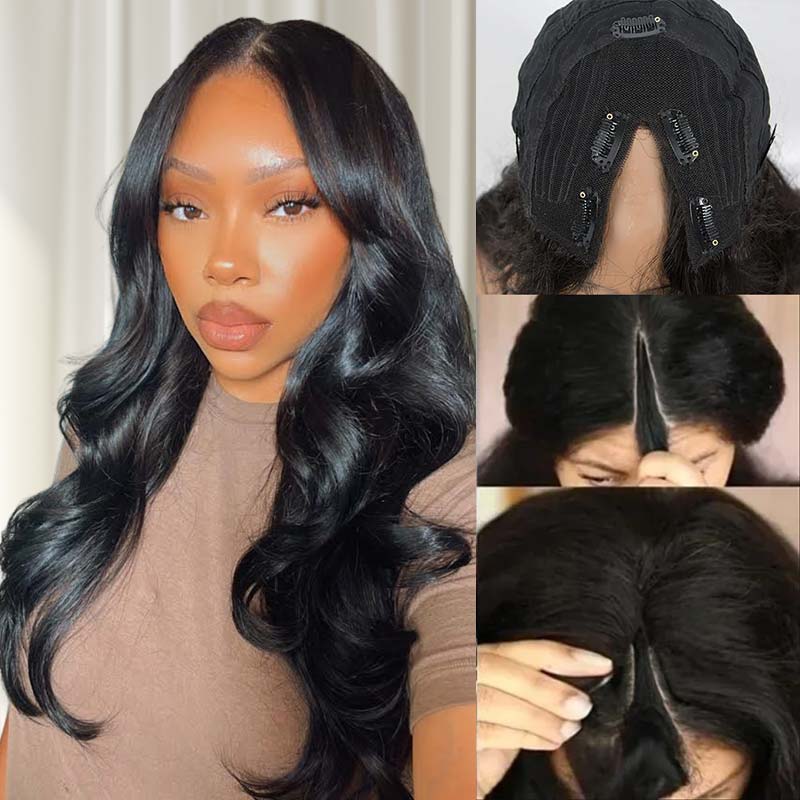
The base design has a direct impact on cost. Lace wigs usually cost more than non-lace styles because they take more time and skill to make.
Full lace wigs and lace front wigs fall into this category.
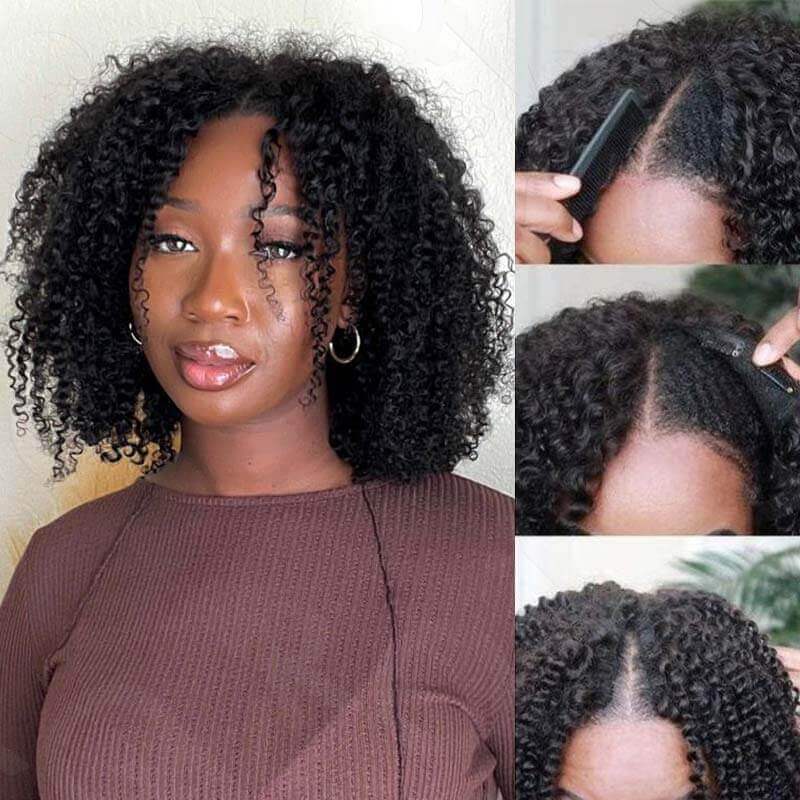
Non-lace options like V part wigs and half wigs are usually more affordable. They use less material and simpler construction.
These styles work well for people who want a natural blend with their own hair and don’t need full coverage.
So the design isn’t about better or worse. It’s about how much structure and flexibility you need.
Lace area and lace quality both add to the price
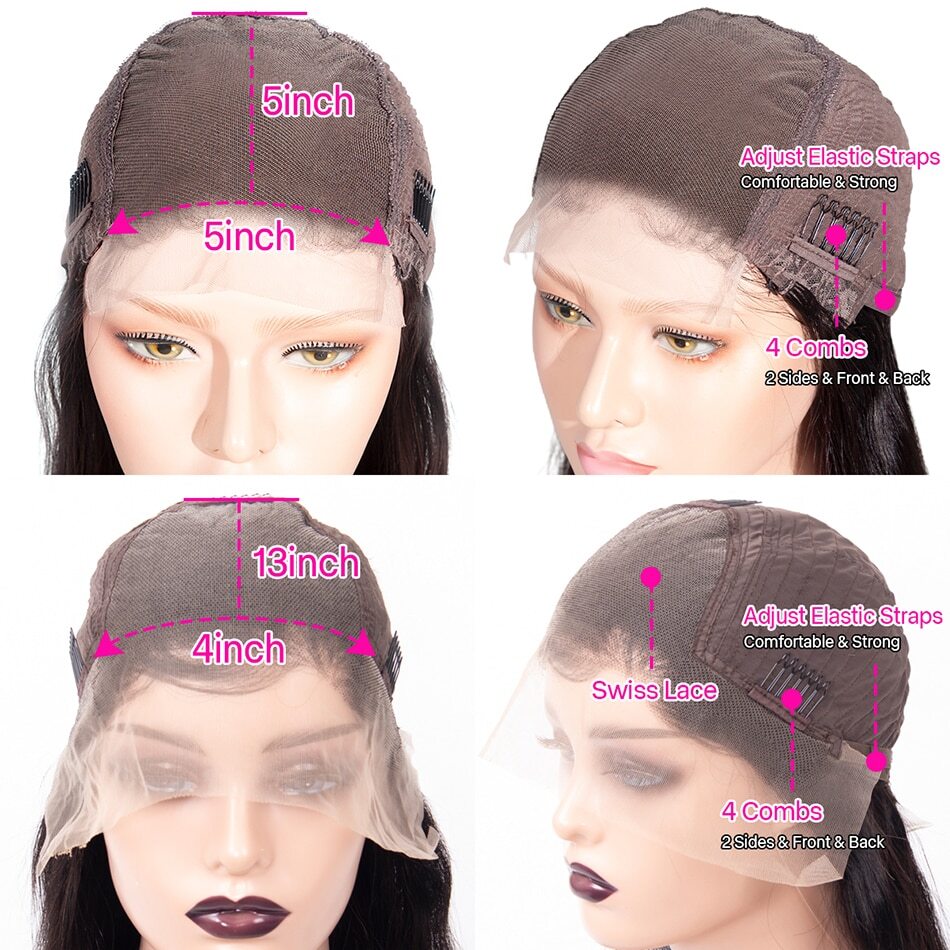
Lace size plays a big role. Wigs with a larger lace area cost more because they require more hand work and more lace material.
A 13×6 lace front will almost always cost more than a smaller lace section.
Lace quality also affects cost. Standard lace is more affordable. HD lace costs more because it’s thinner, softer, and blends better with the skin.
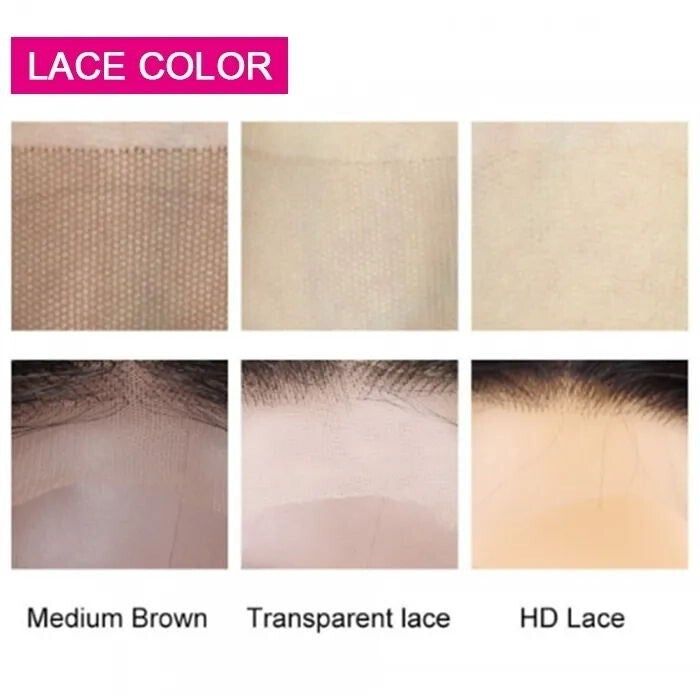
That extra realism comes with a higher price tag, mostly due to material quality and slower production.
Hair quality sets the foundation of the price

Hair quality is one of the biggest cost drivers. Remy hair, virgin hair, and raw hair sit at different price levels.
Remy hair is processed but aligned. Virgin hair has not been chemically treated. Raw hair stays closest to its original state.
Higher tiers cost more because they last longer, tangle less, and handle heat and color better.
Lower tiers cost less but may need more care and replacement sooner. The difference often shows over time, not on day one.
Color complexity increases labor cost

Natural-colored wigs are usually more affordable. Once you add highlights, balayage, or ombre effects, the price goes up.
Coloring human hair takes skill and time, especially when consistency matters.
Multi-tone wigs also increase the risk of damage during processing, which raises production cost.
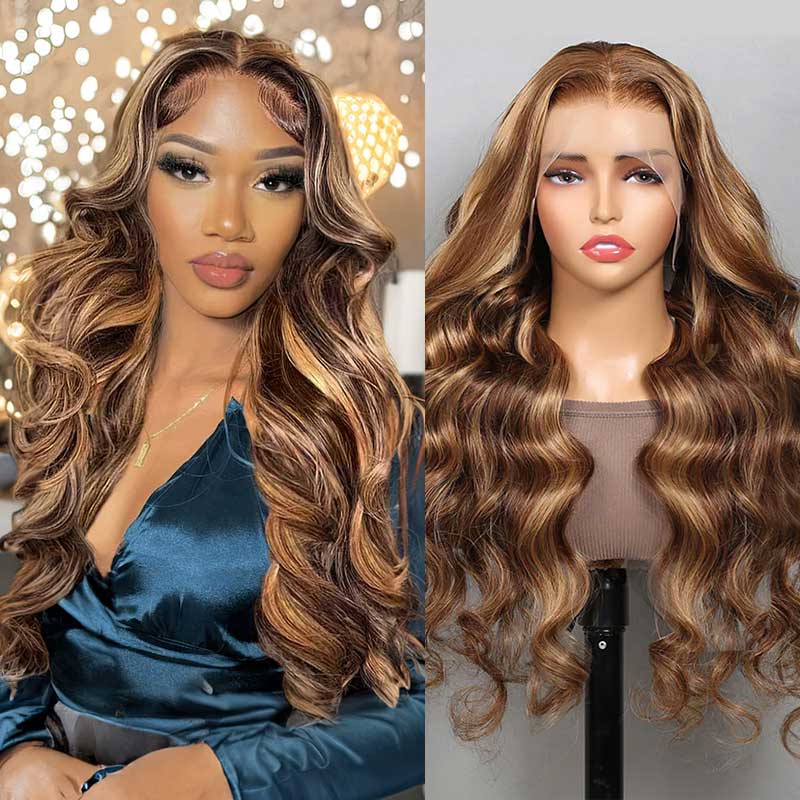
You’re not just paying for color. You’re paying for controlled results and usable hair after coloring.
Hair length has a straightforward effect
Length is simple. Longer hair costs more. Longer bundles require more hair, better sorting, and more careful handling.
A short bob uses far less material than a 24-inch or 30-inch wig.
If budget matters, choosing a slightly shorter length can free up money for better hair quality or lace. That trade-off often gives better long-term value.
Where Should You Put Your Budget On?
Not every wig needs the same kind of investment. The right choice depends on what you want from the wig and how you plan to wear it.
Some features are worth paying more for. Others are easy to keep simple.
For versatility
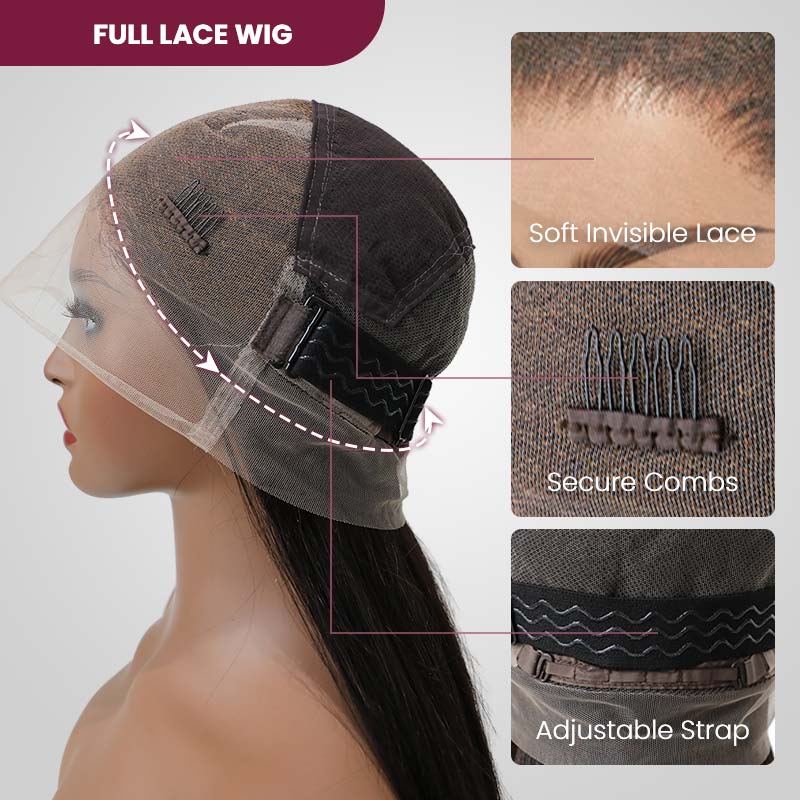
If styling freedom matters, this is where a bigger budget helps. Lace front wigs and full lace wigs give you more parting options and more room to change styles.
You can wear them up, down, or pulled back without exposing the base.
Full lace wigs sit at the higher end because of the hand-tied construction. Lace fronts cost less but still offer flexibility for daily styling.
If you like switching looks often, this is usually money well spent.
For a natural, realistic look

A realistic finish comes from two things: color and lace. Natural-colored wigs tend to look more convincing and age better over time. They also hold up better with heat and daily styling.
HD lace designs cost more, but they blend more smoothly with the scalp and hairline. If realism is the goal, choosing better lace often matters more than choosing longer length.
For beginner-friendly wear

If you’re new to wigs, ease matters.
Wear-and-go wigs and V part wigs are practical choices. They need less adjustment and less styling skill, which makes daily use easier.
Texture also plays a role. Wavy textures are usually easier to maintain than curly or coiled hair. They hide small mistakes, hold shape well, and don’t need constant refreshing. This approach keeps both cost and effort under control.
For a bold look

If your goal is impact, length and color take priority.
Super long wigs and bold shades draw attention right away. These styles often cost more because of extra hair or complex coloring.
In this case, it makes sense to focus your budget on the visual effect. You can keep other elements simple, like lace size or base design, and still get the look you want.


 Quality Stores